
Journal
Top Eco-Friendly Cabinet Materials for Sustainable Kitchens
Scott Jones · June 2, 2025
Highlighting environmentally conscious materials and finishes for cabinetry
Top Eco-Friendly Cabinet Materials
- Bamboo
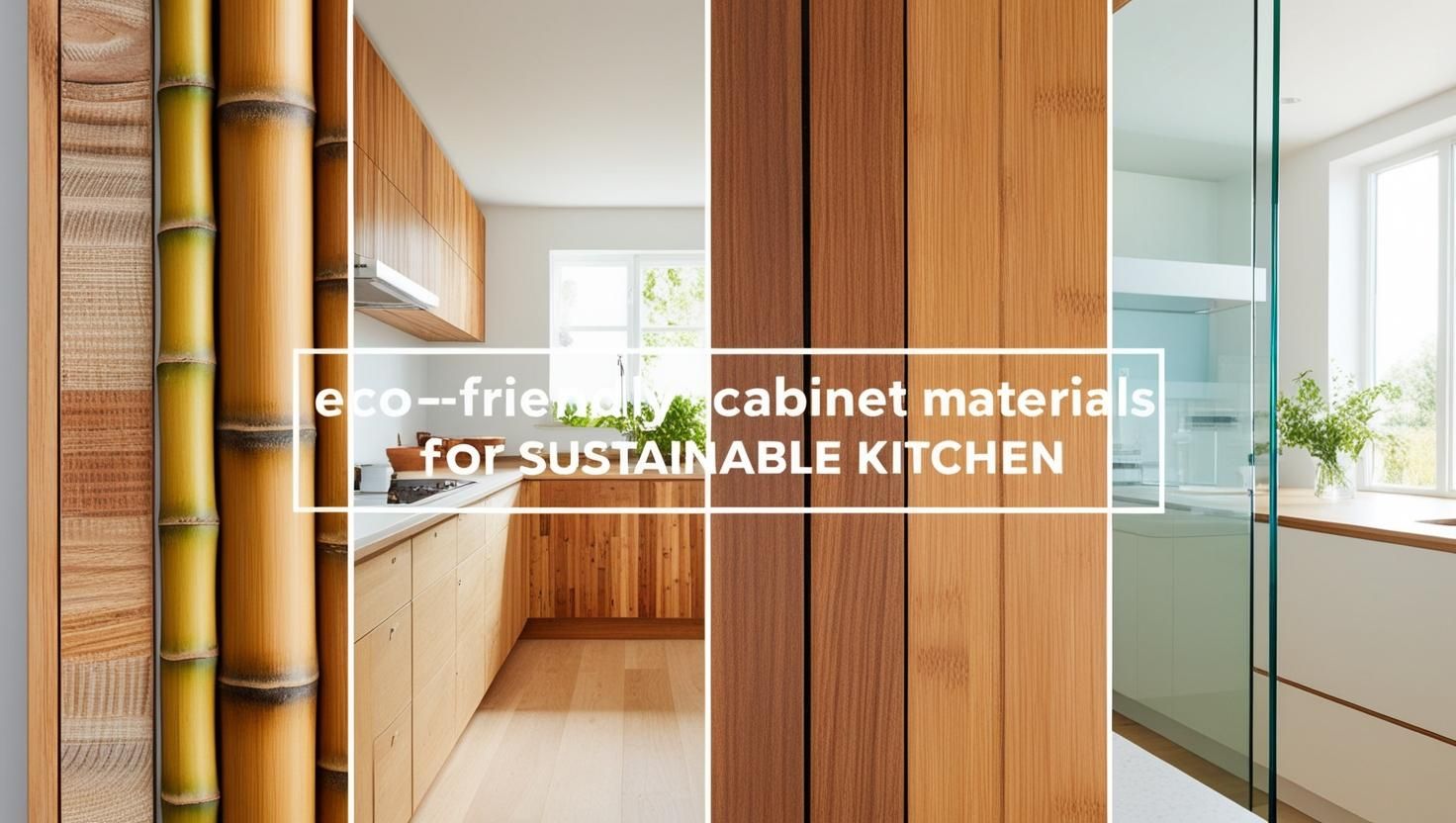
Bamboo is one of the most popular sustainable materials for cabinets. It’s fast-growing, renewable, and incredibly durable. Bamboo cabinets offer a sleek, modern look with natural grains that add warmth to your kitchen.
Pros:
- Renewable resource
- Strong and moisture-resistant
- Unique, stylish appearance
Cons:
- Can be expensive
- Requires proper sealing to prevent damage
- Reclaimed Wood
Using reclaimed wood for cabinets not only adds character but also reduces the demand for new timber. Each piece of reclaimed wood has a unique history, giving your kitchen a one-of-a-kind look.
Pros:
- Sustainable and eco-friendly
- Rich, rustic aesthetic
- Reduces landfill waste
Cons:
- May require treatment for pests or structural integrity
- Limited availability of certain styles
- Plywood with Low-VOC Adhesives
Traditional plywood often uses adhesives that emit VOCs, but eco-friendly options are available with low or no VOC emissions. These cabinets are versatile and can be customized to suit various styles.
Pros:
- Cost-effective
- Lightweight and durable
- Available in a range of finishes
Cons:
- Not entirely natural, as adhesives are used
- Quality varies by manufacturer
- Medium-Density Fiberboard (MDF)
MDF made from recycled wood fibers and low-VOC adhesives is another sustainable option. It’s smooth, easy to paint, and works well for modern designs.
Pros:
- Affordable and versatile
- Uses recycled materials
- Smooth surface for finishes
Cons:
- Less durable than solid wood
- Susceptible to water damage
- Recycled Metal
For a bold, industrial look, consider cabinets made from recycled metals like aluminum or stainless steel. These materials are not only durable but also highly recyclable.
Pros:
- Extremely durable and long-lasting
- Modern, sleek aesthetic
- Resistant to moisture and pests
Cons:
- Expensive
- Limited styles available
Certifications to Look For
When selecting eco-friendly cabinets, look for certifications that validate their sustainability:
- Forest Stewardship Council (FSC): Ensures the wood is responsibly sourced
- GREENGUARD: Verifies that the cabinets meet strict indoor air quality standards
- LEED Certification: Cabinets that contribute to Leadership in Energy and Environmental Design (LEED) points
Design Tips for a Sustainable Kitchen
- Choose Timeless Styles: Opt for classic cabinet designs that won’t go out of fashion, reducing the need for replacements
- Maximize Storage: Efficient cabinet layouts reduce the need for additional storage furniture, saving materials and space
- Pair with Energy-Efficient Appliances: Complete your eco-friendly kitchen with appliances that minimize energy and water usage